
Vector and vector-borne disease ecology in a greener and warmer Denmark
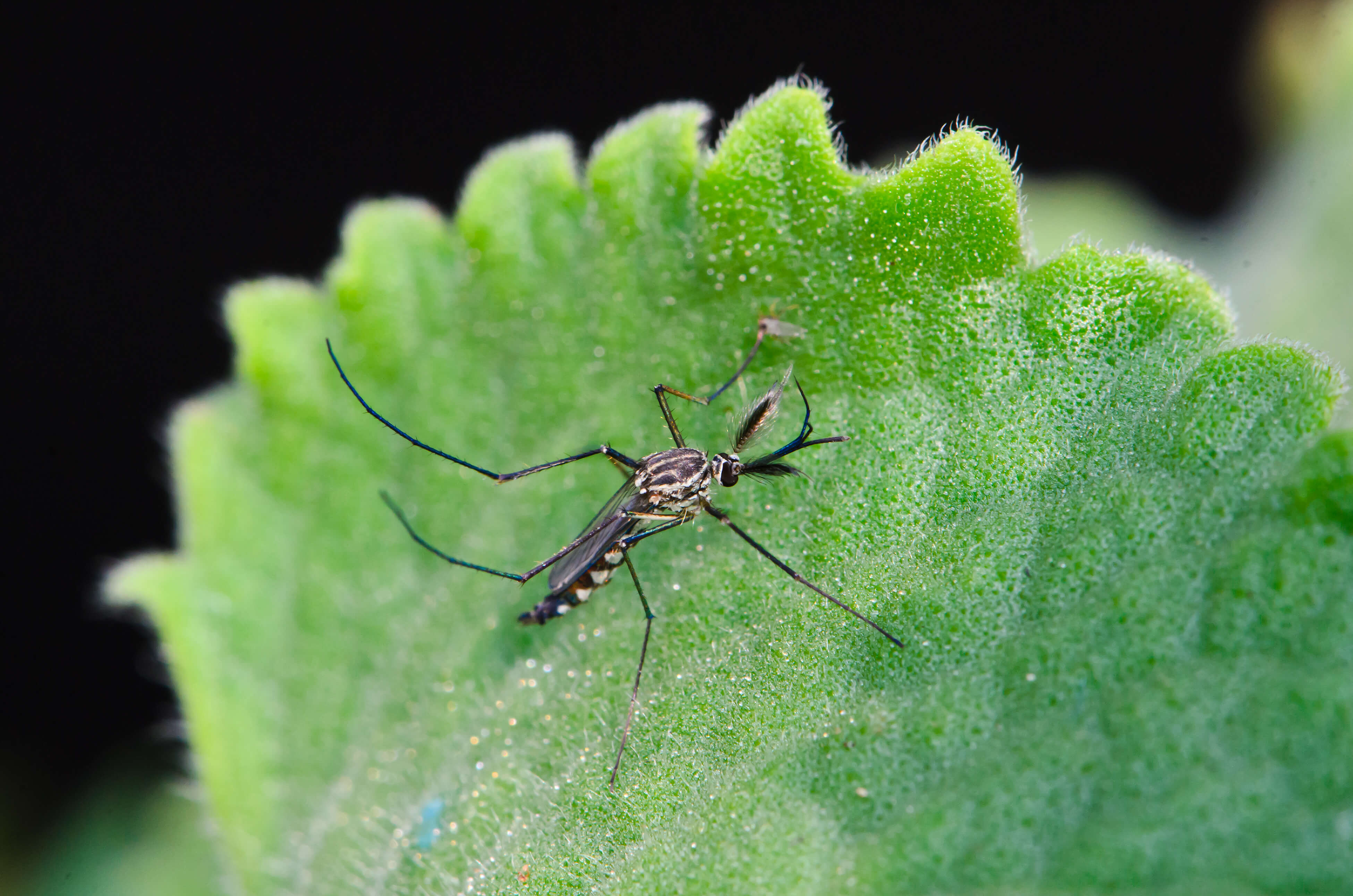
As Denmark accelerates its green transition - through urban blue‑greening, wetland restoration, and other nature‑based solutions - new ecological dynamics emerge that may have direct implications for human, animal, and environmental health. While these initiatives are necessary to address biodiversity loss and climate adaptation, they may also create favorable conditions for disease‑transmitting organisms (vectors) such as mosquitoes and ticks - unintentionally increasing vector‑borne disease risks. This fellowship addresses a central question for future land‑use planning in Denmark: How can we foster greener landscapes that benefit both nature, biodiversity and human health?
Research Focus
Recent expansions of vectors and vector-borne diseases Northwards in Europe, such as mosquito-borne West Nile Virus and Usutu Virus, that can infect both wild birds, horses and humans - highlight the need for updated preparedness strategies in Denmark. As both climate- and land‑use change plays a role in the spread and establishment of new vectors, understanding vector and vector-borne disease ecology becomes essential for designing safe and sustainable green interventions.
The fellowship will establish a cross‑disciplinary research platform that integrates expertise across human, animal, environmental health - aligned with the One Health approach. This includes collaboration across UCPH faculties, relevant GSC networks, Living Labs and thematic groups, as well as engagement with local and regional stakeholders engaged in the planning and implementation of nature restoration or urban greening initiatives as part of Denmark’s green transition
Objectives
The fellowship aims to:
- strengthen national research capacity and cross-faculty collaboration on vector and vector‑borne disease ecology in the context of climate and land‑use change.
- identify current knowledge and gaps about vector ecology among planners, authorities, and other stakeholders involved in greening projects in Denmark.
- contribute to the wider dissemination of research‑based knowledge and guidance for improved vector and vector-borne disease risk mitigation in nature‑based solutions.
Planned Activities
Short‑term outputs include:
- a stakeholder symposium on “Vectors and Vector‑Borne Diseases in a Greener and Warmer Denmark”
- a review of current knowledge and gaps regarding the potential links between greening initiatives and vector‑borne disease risk in Denmark.
- development of educational outreach materials, such as vector identification keys, and practical guidance aimed at non‑academic audiences.
- development of collaborative, cross-disciplinary research proposals in the field of vector and vector-borne disease ecology.
Long‑Term Vision
The fellowship will lay the foundation for a sustained, cross‑disciplinary research environment anchored at UPCH, to address the converging challenges of climate change, urbanization, and emerging vector‑borne diseases. The ambition is to develop innovative research, outreach and new educational activities that equip future researchers, authorities, and the wider public with the knowledge needed to navigate the possible health implications of landscape changes under Denmark’s green transition.