Funding for student projects

UCPH Green Solutions Centre (GSC) offers funding for cross-disciplinary student projects and welcomes all ECTS projects and reports relevant to the green transition. Funding can be used for materials, analyses, rental of equipment, consumer-oriented tasks, transport etc., but not for salary, travel and living expenses.
Requirements:
- The applicants must be enrolled students at UCPH. Projects with a min. two students from different disciplines are given a higher priority, but one student is also accepted.
- Funding is up to DKK 15.000 per student.
- The project must have relevance for the green transition.
- The project must have an element of cross-disciplinarity/cross-disciplinary approach (include knowledge from another discipline than your main study area. GSC can help find a co-supervisor or sparring partner).
- There must be some kind of collaboration with an external partner (e.g., a company, public authority, NGO). GSC can help find the external partner.
- Application must include:
- Short project description (~½-1 page) approved by supervisors, including time-period
- Budget - The student must disseminate findings from the project at a public/semi-public event or similar (students' choice) and as a short article (~one page) to be posted on the GSC homepage. Students can get professional help and feedback for this part.
The application must be completed using this form.
The GSC Secretariat will process applications on an ongoing basis. The application must be sent to GSC@ku.dk, and questions can be sent to Mette Frimodt Møller, memo@science.ku.dk.
Topics:
Student projects can be based on ongoing collaboration with an external partner, the student's own idea or topic/theme for the project or get inspiration from existing project ideas.
Seek inspiration from student project ideas within our three Living Labs "Our Plant-based Future", "Urban solutions to green transition" and Land use change for the Green Transition.
Read more about our funded student projects here:
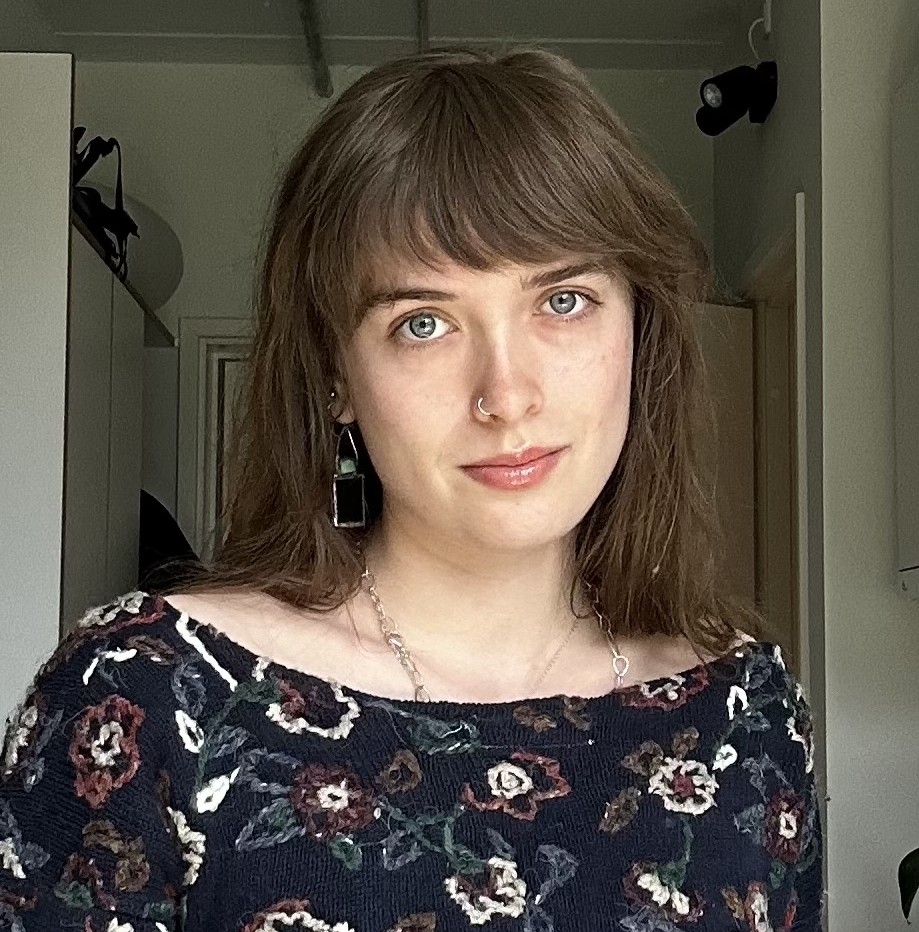 Student: Grace Laura Romania, MSc. Environment & Development
Project title: PFAS contamination in the state of Maine
Main supervisor: Bjarne W. Strobel, Department of Plant and Environmental Sciences
Co-supervisor: Mette Weinreich Hansen, Department of Food and Resource Economics
Project period: January-March 2026
External partner(s): Maine PFAS Fund
Description: The project is investigating how Maine farmers are responding to the ongoing crisis of PFAS contamination in the state of Maine. In what ways farm factors, activities, and policies/governance keep farms with significant levels of contamination in operation and viable, and what factors force others to shutter. These attributes may include the levels of PFAS and types of PFAS on the property, organic practices, and feed rotations.
The project will utilize participatory observation on a few Maine dairy farms, which, with their large land holdings, bear a significant brunt of the contamination in the state. I aim to gain insights into the daily operations and types of activities on each active dairy farm that enable mitigation of contamination. I also plan to conduct interviews with dairy farmers who have been forced to close their operations. This will better inform my understanding of what factors made remaining solvable forward impossible.
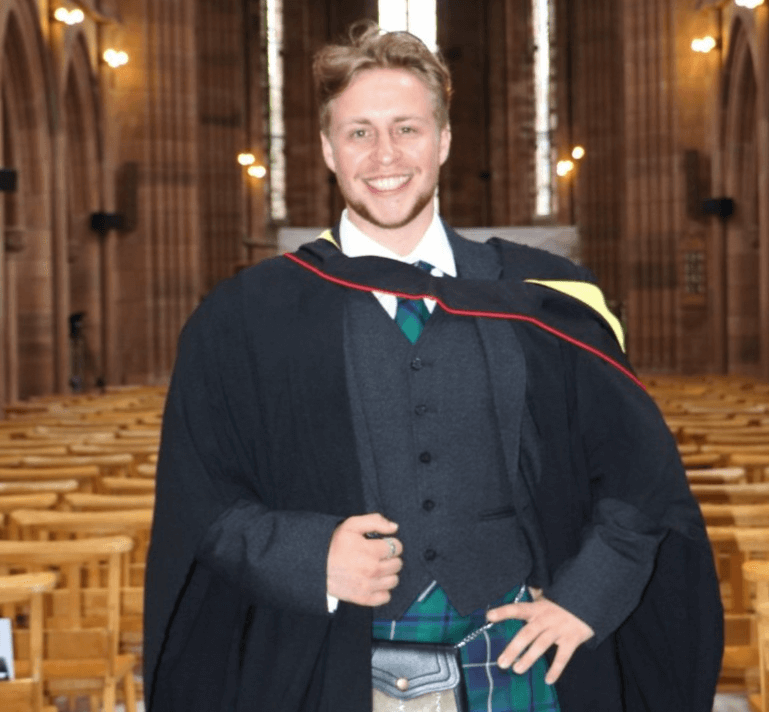
Student: Samuel Cook, Msc. in Environmental Science (Soil and Water specialisation)
Project title: Floatovoltaics, Warming Summers, and Freshwater Resilience: Experimental Tests of Algal Growth Suppression and Evaporation Reduction
Main supervisor: Jesper Riis Christiansen, Department of Geosciences and Natural Resource Management
Co-supervisor: Karl-Emil Johan Tadayoni Heidberg (CPSC) & Laura Käse, Department of Biology
Project period: November 2025 - June 2026 (Experimental run: January 2026)
External partner(s): HOFOR
Read the full project article here.
Description: Freshwater reservoirs face dual challenges from climate change: intensified algal blooms that threaten water quality and increased evaporative water losses. Floatovoltaics (floating solar panels) represent a dual-use solution for the green transition, generating renewable energy while potentially delivering key co-benefits for water management. This project will provide crucial experimental evidence on whether floatovoltaics can enhance water security, directly supporting sustainable resource management goals within my Environmental Science specialisation in Soil and Water.
This project will test whether floatovoltaic surface cover can:
- Suppress the growth of prominent Scandinavian freshwater algae under current and future climate scenarios
- Reduce evaporation rates in reservoir-like conditions
- Determine if these effects change under different warming conditions
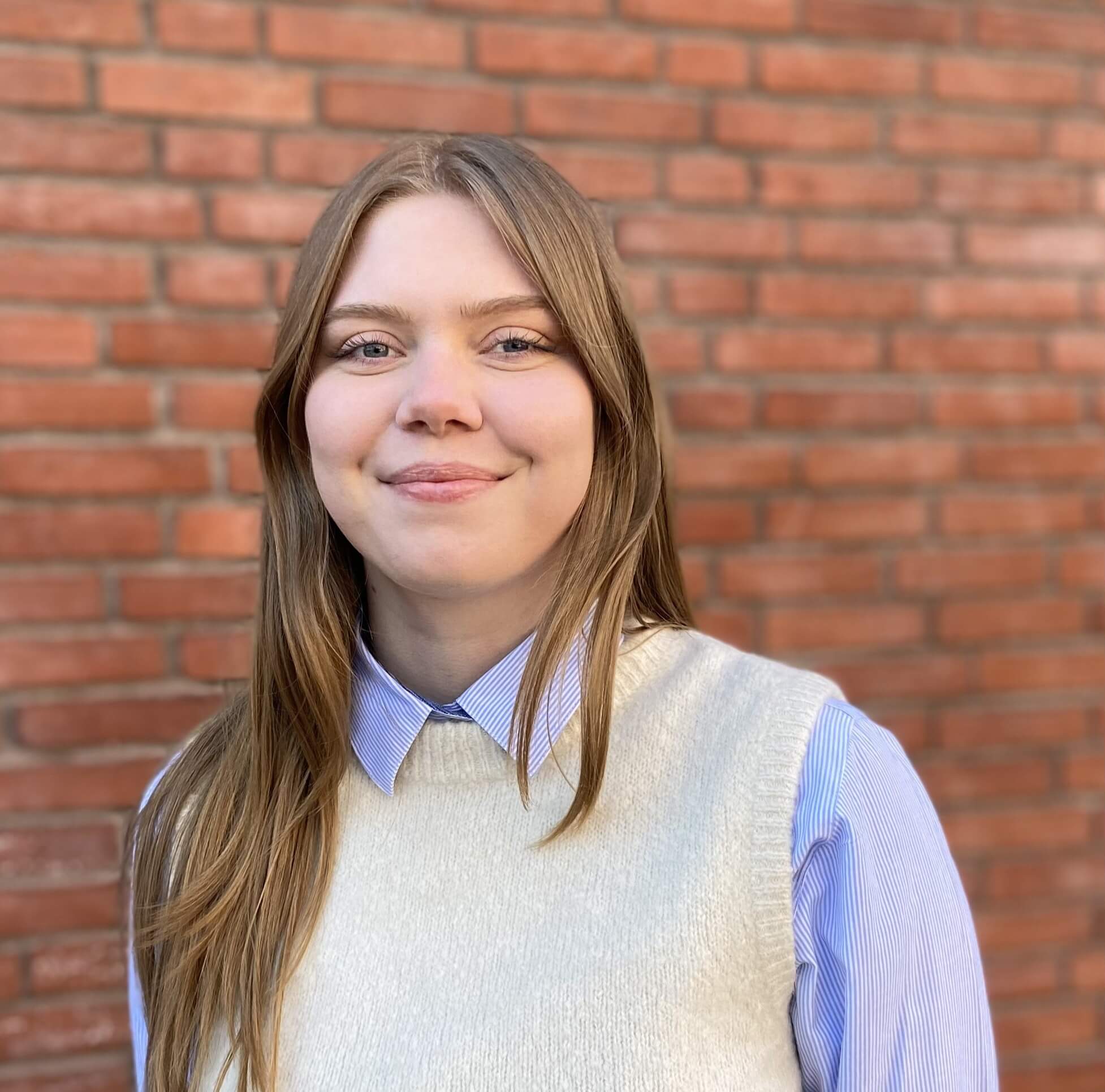
Student: Emma Eline Flarup W. A. Munch
Project title: Coffee Livelihoods and Climate Change Vulnerability
Main supervisor(s): Neda Trifkovic, Department of Economics & Niels Fold, Department of Geography
Project period: January - June 2025
External partner(s): Northern Mountainous Agriculture and Forestry Science Institute (NOMAFSI) & Development and
Policy Research Center (DEPOCEN)
Read the full project article here.
Description: Coffee cultivation has been a key driver of Vietnam’s economic, social, and environmental transformation over the past decades. However, as a crop, coffee is highly sensitive to changes in temperature and precipitation, making it particularly susceptible to the impacts of climate change (Bunn et al., 2014). It is estimated that around 85% of Vietnam’s coffee output is produced by smallholders (ILO, 2024). As the second largest producer of coffee globally, the vulnerability and resilience of smallholders in Vietnam therefore play a crucial role in maintaining the stability and sustainability of the global coffee value chain and industry. Despite increasing research on the effects of climate change on livelihood vulnerability, both globally and in Vietnam (Hahn et al., 2009; Huong et al., 2019; Nguyen & Leisz, 2021; Shah et al., 2013), studies focusing specifically on coffee smallholders remain limited.
This thesis aims to address this research gap, integrating quantitative and qualitative research methods to assess livelihood vulnerability among coffee smallholders in Son La province in Vietnam. By examining the vulnerability of coffee smallholders in Son La, the study will provide valuable insights that may serve as fertile ground for developing climate resilient agricultural practices and livelihoods.
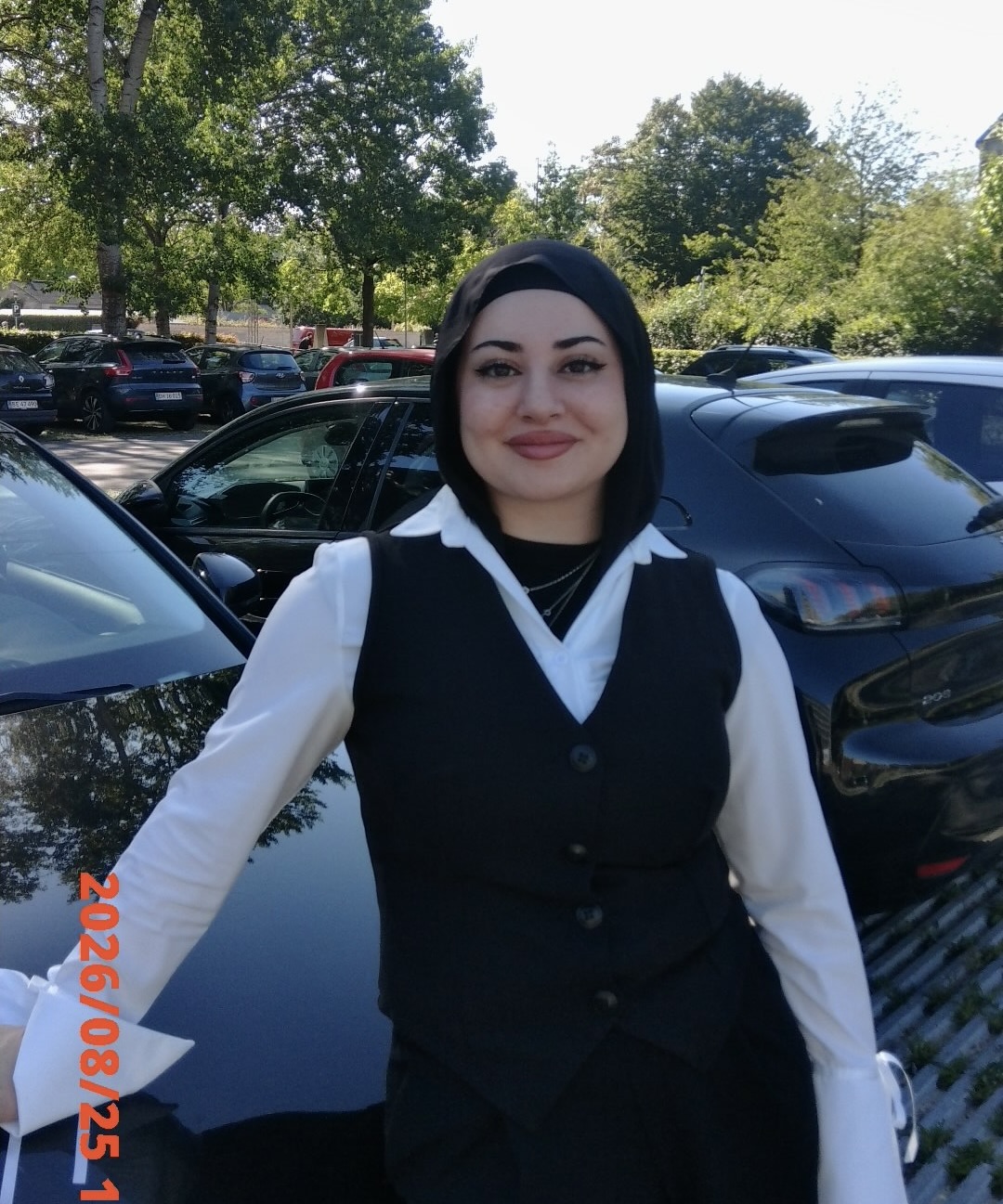
Student: Ghader G. Al-Mosawy, B.Sc. in Biotechnology
Project title: Nutgrass - A sustainable solution for cosmetic issues
Main supervisor(s): John Dirk Nieland, Department of Health Science and Technology, Aalborg University, Meike Burow, Department of Plant and Environmental Sciences & Benedicte Smith-Sivertsen, KU Lighthouse
Project period: 30 June to 22 August
External partner(s): Aalborg University
Read the full project article here.
Description: The project focused on exploring the potential of a widely spread invasive weed, nutggrass, as a source of natural bioactive compounds for dermatological and cosmetic applications. The main aim was to investigate the plant’s capacity to inhibit hair growth and reduce inflammation in skin disorders.
The nutgrass is an invasive species that harbours valuable bioactive compounds with promising applications in skin care and hair growth management. By extracting and utilising these natural compounds, it is possible to develop innovative, eco-friendly cosmetic products. This approach turns a problematic weed into a sustainable resource, providing novel solutions that align with environmental and health-conscious consumer demands.
Student: Julie Zacho Thorball, MSc. in Global Development
Project title: Community engagement and opposition at the Nearshore Wind Farm project Jammerland Bugt
Main supervisor(s): Jens Friis Lund, Department of Food and Resource Economics
Co-supervisor: Neda Trifkovic, Department of Economics
Project period: August 2025 to December 2025
External partner(s): European Energy
Read the full project article here.
Description: I will be studying community engagement and opposition to the Nearshore Wind Farm project at Jammerland Bugt. The project is developed by European Energy and TotalEnergies in Jammerland Bugt, just 6 km from the shore and the peninsula Reersø, near western Zealand. The project faced many delays, which have affected the project. This project has been featured in local media and gained traction politically as a NIMBY (Not In My Backyard) case, however, it is yet to be covered what this opposition stems from.
To date, research and policy debates have primarily focused on opposition to renewable energy infrastructure in resource-constrained, rural communities, where local populations often lack the means to resist. By contrast, Jammerland Bugt is a unique case: opposition has been driven primarily by upper-middle-class summerhouse owners, who possess both the financial resources and organisational capacity to mobilise against the project. Their opposition centres on visual intrusion and noise impacts.
I will conduct a single case study based on the Jammerland Bugt case, utilising both qualitative and quantitative methods. My research method is interviews and statistical analysis.
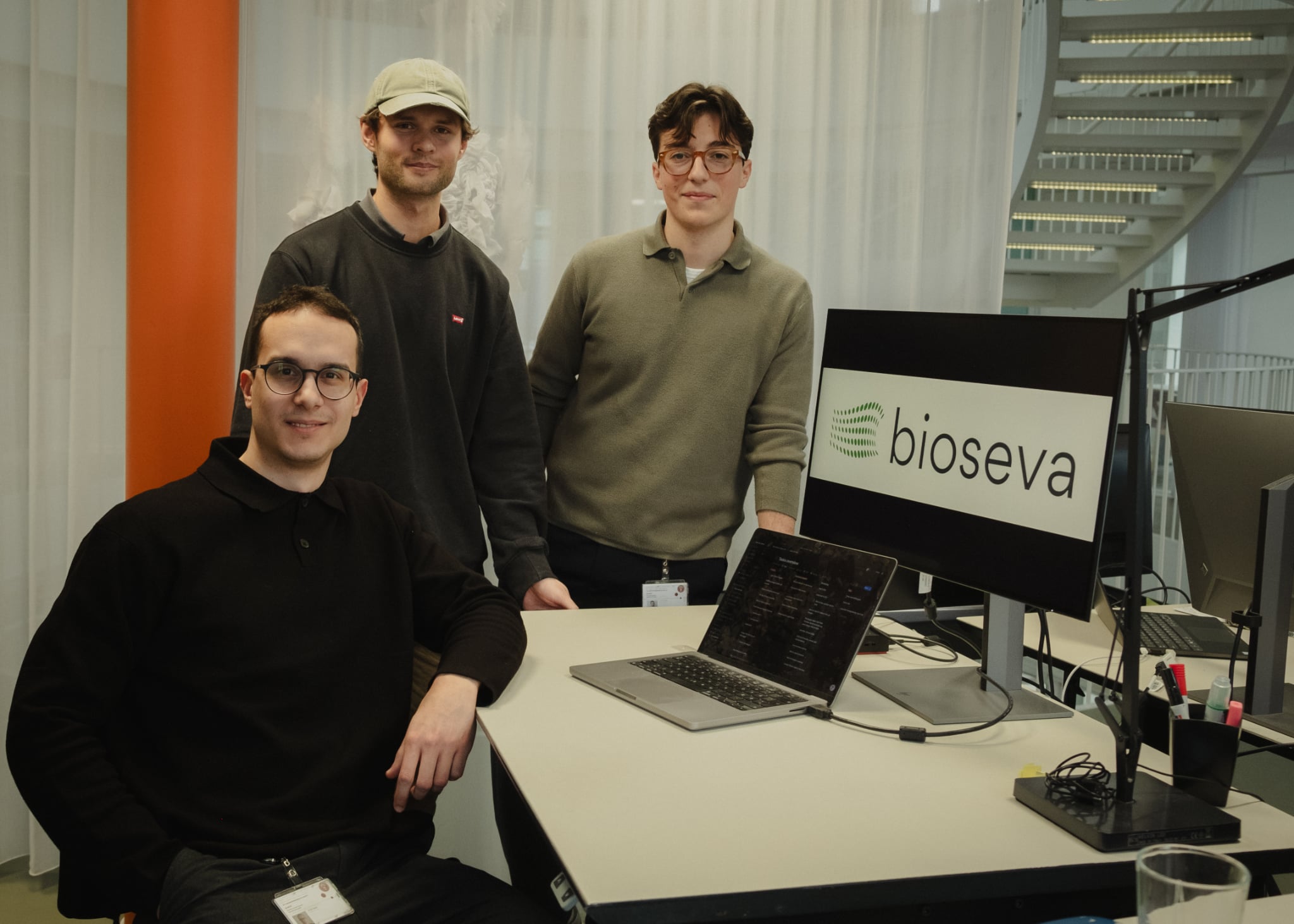
Student(s): Jonathan Fogt Khan, Evangelos Balatsos, Kyriakos Lymperopoulos, Nature and Forestry Management, Medicinal Chemistry
Project title: Bioseva - Development of a sustainable antifouling coating based on seaweed
Main supervisor(s): Benedicte Smith-Sivertsen, KU Lighthouse
Co-supervisors: Anna Vestergård Jacobsen, KU Lighthouse & Carsen Nico Portefée Hjortsø, Department of Food and Resource Economics
Project period: 14 months
External partner(s): DHI, Everllence, Skibsværftet V/Niels Kristian Stumman, Havhøst
Description: Biofouling on ships and marine infrastructure increases fuel consumption, emissions, and maintenance, while conventional antifouling solutions can rely on toxic biocides that contribute to marine pollution. This project will explore sustainable antifouling coating concepts inspired by seaweed chemistry, with the aim of developing and testing low-toxicity approaches that can reduce early-stage biofilm formation and ultimately decrease the need for harmful active ingredients.
The project will be anchored in practical industry needs and test practices through dialogue with stakeholders such as DHI and the shipbuilding company Niels Stummann. The work will begin by identifying a small set of promising seaweed-inspired compounds and formulation strategies from the literature, followed by small-scale synthesis. These candidates will be incorporated into simple coating formulations and applied to standardized test coupons/panels. Performance will be compared against relevant controls using a practical, reproducible testing and scoring approach (e.g., image-based surface coverage, staining-based assessment, or other feasible proxies depending on available facilities). The outcome will be a structured set of results linking formulation choices to antifouling performance, along with clearly documented protocols and an organized dataset that can be reproduced and built upon.
The results are relevant for ports and harbors, vessel operators, shipyards (skibsværfter), coating stakeholders, and environmental management efforts. The project is interdisciplinary, combining marine/environmental problem framing, chemistry/materials formulation, and experimental design/measurement, while keeping end-user requirements in view. Findings will be disseminated through a public or semi-public presentation (e.g., a KU seminar/Living Lab session) and summarized in a short public-facing one-page brief.

Student: Iris Groot, Msc. in Climate Change
Project title: Actors of sustainable change: changing second-order beliefs within football communities
Main supervisor(s): Teis Hansen, Department of Food and Resource Economics
Co-supervisors: Adéla Plechatá, Department of Psychology
Project period: February 2026 to June 2026
External partner(s): To be determined.
Read the full project article here.
Description: Football has a significant environmental footprint, driven by fan transport, stadium operations, consumption, and merchandise, highlighting the urgency of engaging this sector in sustainability efforts. However, its audience, traditionally male-dominated and often perceived as disengaged from environmental issues, has received limited attention in pro-environmental behaviour research. At the same time, football communities are characterised by strong social identities and norms, creating unique opportunities for collective behavioural change. Therefore, this thesis project will investigate: Who should be the messengers of change within football communities?
Through an experimental survey, distributed preferably among Danish football fans, the study will examine which type of actor (elite players, professional clubs, or fellow fans) is most influential in changing fans’ second-order beliefs about sustainability. That is, perceptions of what other members of one’s social group think. Such beliefs are powerful drivers of behaviour and, in many contexts, even stronger predictors of action than personal attitudes. This makes them powerful indicators for reshaping collective expectations and accelerating norm change within football communities.
The project is interdisciplinary, combining perspectives from environmental psychology (social norms and belief formation), sports philosophy (role modelling, ethical responsibility, the governance of sport institutions), and green transition research. By integrating these fields, the thesis project advances understanding of how football can contribute to broader societal transformations toward sustainability.
Mechanistic modeling of enteric methane inhibitors to accelerate green transition on livestock farms

Student: Ruowan Su, MSc. in Animal Science
Project title: Mechanistic modeling of enteric methane inhibitors to accelerate green transition on livestock farms
Main supervisor: André Luis Alves Neves, Department of Veterinary and Animal Sciences
Co-supervisor: Rajan Dhakal, Department of Veterinary and Animal Sciences
Project period: February 2026 – May 2026
External partner(s): Lennart Bunch
Description: Enteric methane (CH₄) is a major target for EU climate mitigation, and 3‑NOP is currently one of the most promising compounds for reducing emissions by inhibiting the enzyme MCR. However, mechanistic, parameter‑based evaluations of CH₄ inhibitors are limited and therefore an identification of this, can accelerate the development of new mitigation strategies.
The project tests four CH₄ inhibitors—3‑NOP, Bovaer®, bromoform and BES—using in vitro rumen systems. Across dose–response treatments, we will measure gas and CH₄ production, volatile fatty acids and substrate degradation, and integrate these data into ODE models to estimate CH₄ yield and inhibition constants (Kᵢ). This interdisciplinary work combines rumen microbiology, chemistry, modelling and climate‑oriented mitigation research.
The results will provide a transferable modelling framework for evaluating CH₄ inhibitors under controlled rumen conditions, reducing reliance on animal trials and supporting climate‑focused innovation. Outcomes will be relevant for researchers, industry partners and stakeholders working with methane mitigation in cattle production, and will be disseminated through a master’s thesis, a scientific paper and a presentation at the UCPH Cattle Seminar.
Student: Sakura Goto Bokul Brethvad, MSc. in Anthropology
Project title: WASTE – Waste Banks in Denpasar: a study of everyday practices and participation
Main supervisor: Birgit Bräuchler, Department of Anthropology
Co-supervisor: Lukas Fort, Department of Anthropology
Project period: From the 1st of September 2026 to the 1st of July 2027
External partner(s): Universitas Indonesia, Monash University Indonesia, The National Research and Innovation Agency (BRIN), Society of Indonesian Environmental Journalists (SIEJ), Zero Waste Alliance Indonesia (AZWI)
Description: The project WASTE explores how waste banks in Denpasar, Indonesia are organised and experienced in everyday life. Indonesia faces major waste‑management challenges with social and environmental consequences, including climate change. In response, circular‑economy principles have been promoted, positioning waste banks as key tools for participation, resource recovery and community engagement. Yet many waste banks struggle due to limited support, operational constraints and fluctuating recyclable prices, leading to uneven participation. This project investigates these dynamics by examining social and everyday engagement in waste banks in Denpasar.
Fieldwork will be conducted in at least two waste banks, including participation in workshops and daily activities as a transparent participant observer. Around 15–20 participants will be recruited for individual interviews and at least one focus group.
The project contributes to the green transition by analysing grassroots circular‑economy practices aimed at improving waste management and recycling in a context facing significant environmental pressures. By examining both potentials and limitations, the study expands understandings of sustainable transitions beyond policy frameworks. The project forms part of a broader interdisciplinary collaboration across anthropology, STS, data science and journalism.
Findings will be shared through a peer‑reviewed article, an open lecture with panel discussion, and a short introductory pamphlet, and disseminated to project partners, participating waste banks and development actors, including Danish stakeholders working with waste management in Indonesia.
Student: Hannah Munck Birch, MSc. in Anthropology
Project title: Queens of the Waste Banks: Female Leadership in the Digitalisation of Waste Management in Denpasar, Indonesia
Main supervisor: Birgit Bräuchler, Department of Anthropology
Co-supervisor: Lukas Fort, Department of Anthropology
Project period: 2026 Sep/Jul 2027
External partner(s): Universitas Indonesia, Monash University Indonesia, The National Research and Innovation Agency (BRIN), Society of Indonesian Environmental Journalists (SIEJ), Zero Waste Alliance Indonesia (AZWI)
Description: The project is relevant to the green transition because it examines waste management and gender equality as interconnected parts of sustainable solutions. Indonesia is the world’s second‑largest plastic polluter, producing around 3.2 million tonnes of mismanaged plastic waste each year, much of which ends up in the ocean. In response, the country is implementing a broad green transition involving government actors, international partnerships and NGOs working to develop more efficient and digitalised waste‑management systems. At a local level, Waste Banks offer a concrete and scalable way of addressing these challenges. Furthermore, this project examines women‑led Waste Banks in Indonesia as a community‑based circular‑economy model that addresses both waste management and gendered labour dynamics. Waste Banks function as local, scalable systems where households exchange sorted waste for economic value, and what distinguishes them is that they are predominantly led by women in an otherwise male‑dominated sector. By following waste from households to Waste Banks, the project shows how environmental solutions intersect with income generation, community building and gendered forms of work, contributing to a broader understanding of green transitions beyond technical recycling models.
The project is developed as an ethnographic film and is relevant for NGOs, civil‑society organisations and practitioners working with waste management, circular economy, entrepreneurship and gender equality. It also speaks to policymakers and researchers seeking socially grounded and locally anchored approaches to sustainability.
The study is interdisciplinary through collaborations with researchers at the University of Indonesia, Monash University Indonesia and BRIN, and through engagement with civil‑society actors such as SIEJ, AZWI, local NGOs and women’s alliances. Using co‑creation and multimodal film methods—including iterative editing, self‑reporting and visual documentation of waste circulation—the project integrates community knowledge, NGO practice and academic research to generate actionable insights on green transitions in waste, gender and economy.
Student: Alma Indira Sapru, B.Sc. Geografi & Geoinformatik
Project title: Hejremarken: A pilot study of community-based agriculture as a transformative practice
Supervisor: Laura Vang Rasmussen, Department of Geosciences and Natural Resource Management
Project period: February 2026 – June 2026
External partner(s): Dyrkningsfællesskabet Hejremarken
Description: This project investigates how the community‑based regenerative market‑garden association Hejremarken can sustain itself socially and financially while promoting conscious consumption and supporting young people in the agricultural sector. The study explores how Hejremarken can make locally produced food accessible to groups facing financial barriers while ensuring ethical and sustainable use of volunteers. By examining these questions, the project contributes to the green transition by addressing how food can be grown, shared and understood in ways that respect planetary boundaries.
The project uses participant observation, informal interviews with volunteers, and semi‑structured interviews with students in the agricultural sector, regenerative farmers and relevant KU staff. Data will be coded and analysed to identify key organizational and social conditions shaping Hejremarken’s development. This interdisciplinary approach draws on economics, sociology, agroecology and soil science to understand how community‑based regenerative agriculture can support sustainable transitions.
The findings will inform Hejremarken’s ongoing strategy and will be relevant for volunteers, members, young people considering careers in sustainable agriculture, regenerative farmers, researchers, policymakers and grassroots organisations exploring community‑driven food production. Results will be shared through a flyer and a public event including a field walk, project introduction and an opportunity to join work at the field.

Student: Ghader Al-mosawy, B.Sc. in Biotechnology
Project title: Investigating the Effect of Cyperus Rotundus Extract on Gene Expression in Glioblastoma Cells
Supervisor: Meike Burow, Department of Plant and Environmental Sciences, Bodil Jørgensen, Department of Plant and Environmental Sciences, John Dirk Nieland, Department of Health Science and Technology, Aalborg University
Project period: 20. April – 23. August 2026
External partner(s): Aalborg Universitetshospital – Laurids Østergaard Poulsen
Read the full project article here.
Description: Glioblastoma multiforme (GBM) is the most aggressive primary brain tomour in adults and remains highly resistant to conventional therapies, creating a strong need for new treatment approaches. Cyperus rotundus, a medicinal plant known for its bioactive compounds, has shown potential anticancer properties. This project investigates how extracts from Cyperus rotundus affect glioblastoma cells in vitro, focusing on changes in proliferation‑related markers such as MKI67 (Ki‑67), identifying which plant components drive these effects, and examining how different extraction methods preserve key bioactive molecules.
The project supports the green transition by exploring plant‑based therapeutic alternatives that may reduce reliance on chemical drugs and radiation in cancer treatment. It is relevant for hospitals, patients, and medical professionals seeking more sustainable treatment options.
The project is interdisciplinary, combining molecular biology, oncology, pharmacology, and phytochemistry, and includes collaboration with a hospital for data discussion and presentation of results.
Student: Freja Benditte Ingildsen, B.Sc. in Natural Resources
Project title: The Role of Civil Society in Local Nature Management: Volunteer Actors in Silkeborg Municipality’s Biodiversity Effort
Supervisor: Henrik Vejre, Department of Geosciences and Natural Resource Management
Project period: 1. February to 1. June 2026
External partner(s): Silkeborg Kommune
Read the full project article here.
Description: The project investigates what motivates volunteers to participate in nature management and how Silkeborg Municipality’s biodiversity policy is translated into practice through collaboration with volunteers and landowners. Through qualitative interviews with volunteers in Silkeborg, Skanderborg and Horsens Municipalities, as well as an interview with Silkeborg Municipality, the study explores the drivers of engagement and the practical opportunities and constraints shaping voluntary biodiversity work.
The project supports the green transition by examining how volunteer involvement can strengthen Denmark’s biodiversity goals during large‑scale landscape changes linked to the Green Tripartite Agreement. Understanding what motivates volunteers is essential for developing effective, socially anchored nature initiatives, making the findings relevant for municipalities, environmental organisations, policymakers and local volunteers.
The work is interdisciplinary, combining environmental policy, biodiversity management and qualitative social science to analyse both ecological practices and the social dynamics behind civic engagement.
Student(s): Laura Juhl Ringbæk, MSc. in Animal Science and Caroline Wichmann Drewes, MSc. in Animal Science
Project title: Enzyme and probiotic strategies to improve rumen fermentation efficiency and reduce methane emission intensity in dairy production systems.
Main supervisor: Luiz Gustavo Ribeiro Pereira, Department of Veterinary and Animal Sciences
Co-supervisor: Rajan Dhakal, Department of Veterinary and Animal Sciences
Project period: 20 April 2026 till 12 June 2026
External partner(s): Bruno Ieda Cappellozza, Animal Health & Nutrition, Chr. Hansen A/S and Novonesis
Description: This project explores how the cattle feed additives Rumistar™ and Bovacillus™, individually and in combination, affect rumen fermentation, fibre degradation, volatile fatty acid production, and methane emissions under different dietary starch levels. Using an in vitro rumen fermentation system, three fermentation trials will be conducted with four starch concentrations over 48 hours. Quantitative data on methane production, fermentation efficiency, and fibre degradation will be analysed using linear mixed models.
The study addresses the need for more climate-efficient dairy production by exploring nutritional strategies that can improve animal performance and welfare while reducing greenhouse gas emissions. By using in vitro methods, the project also reduces the need for animal trials. The results will be relevant for feed additive companies, dairy producers, and agricultural advisors. Conducted in collaboration with Novonesis, the findings will be disseminated through a scientific paper, research group presentations, and the UCPH Cattle Seminar.

Student: Natalia Denenberg, MSc. Global Development
Project title: From Early Warning to Community Action: Anticipatory Climate Adaptation in Southern Malawi
Main supervisor: Neda Trifkovic, Department of Economics
Project period: August 2026 - December 2026
External partner(s): Danish Red Cross Country Office in Malawi and The Malawi Red Cross Society
Description: The project investigates how climate risk information and anticipatory action frameworks are translated into practical preparedness that strengthens climate resilience and sustainable livelihoods in communities in Southern Malawi. It looks at how organisations and local communities understand and act on early warnings, risk maps and weather information within resilience programmes supported by the Danish Red Cross and the Malawi Red Cross Society.
Using qualitative methods, the study draws on programme documents, field notes, interviews and workshop material collected during the internship. It shows how climate knowledge becomes concrete actions that help communities prepare for droughts, floods and cyclones.
The project is relevant for the green transition because it highlights how climate adaptation and disaster preparedness support long‑term resilience and sustainability. It is relevant for the Danish Red Cross, the Malawi Red Cross Society, students and researchers at the University of Copenhagen, and practitioners working with anticipatory action and climate adaptation beyond Europe.
Student projects can be based on a arbitrary topic (complying with the above requirements), or the project can be related to one of GSC´s Living Labs: Our Plant-based Future and Urban solutions to green transition.
Get inspiration from earlier student project topics within the two living labs below:
Within the Living Lab "Our Plant-based Future" earlier projects have surrounded the themes of:
- Behavioral changes in canteens and commercial kitchens
- School meals
- Language and identity
- Legunes
- Robots in the field
- Historic crops = new opportunities
Check out earlier funded student projects within Our Plant-based future here.
Within the Living Lab "Urban solutions to green transition" earlier projects have surrounded the themes of:
- Data gaps
- infrastructures, and links to equity and justice
- Novel engagement processes, also thinking with the more-than-human perspective
- Climate futuring
Check out earlier funded student projects within Urban solutions to green transition here.

Living Lab Manager
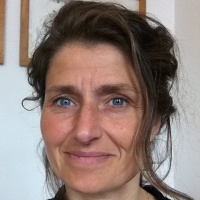 Mette Frimodt-Møller is Living Lab Manager, and you can contact her here.