
Accelerating use of rapeseed press cake as plant-based protein food
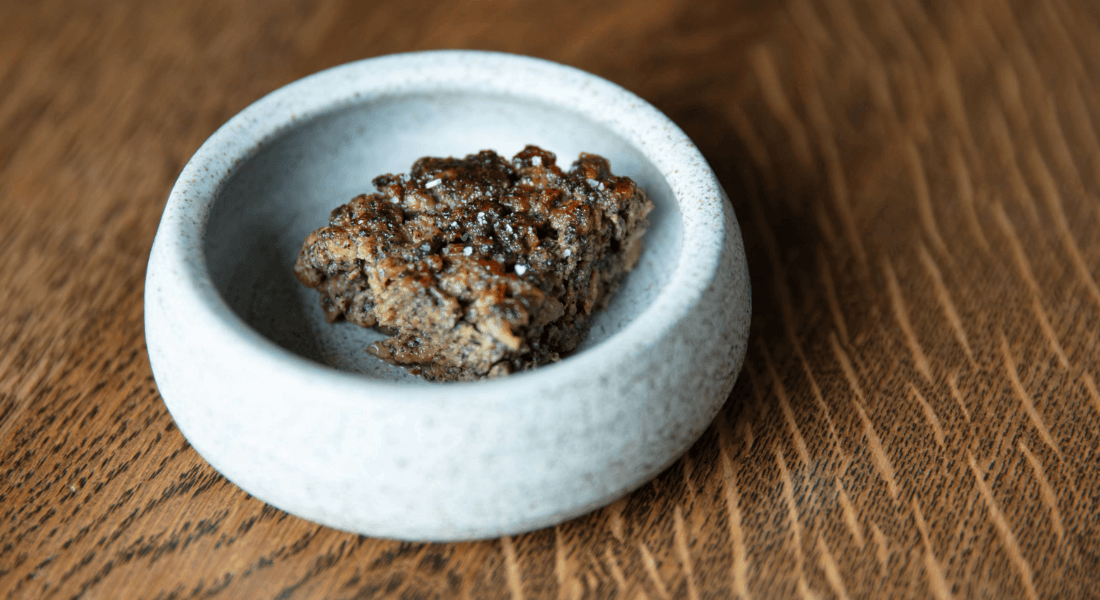
The transition to more sustainable food systems requires an urgent shift from animal‑based to plant‑based protein sources. Rapeseed - Europe’s largest crude protein crop - has huge potential as protein source for human consumption, but is largely underexploited. After oil extraction, the remaining press cake contains 30–40% high‑quality protein, yet its use in human food products is limited due to its content of anti‑nutritional glucosinolates that interfere with nutrient absorption and physiological processes when consumed in high amounts. This fellowship aims to unlock the potential of rapeseed press cake as a nutritious, and locally produced protein ingredient for future food systems.
Research Focus
Barbara Ann Halkier’s research group has developed a novel transport‑engineering technology capable of reducing seed glucosinolate levels by up to 95% in model plants, with ongoing translation to rapeseed. This genetic solution addresses the challenge at its source, eliminating the need for energy‑intensive processing and improving protein stability. This innovation positions UCPH at the forefront of sustainable food protein production.
To bring raw rapeseed press cake into the food market, EFSA novel food approval is required - a process that typically spans two to four years. Much of the preparatory work relies on mining scientific literature, toxicological assessments, and food database analyses, making it possible to begin the approval process before the final crop prototype is available. Initiating this work now will expectedly accelerate the introduction of rapeseed press cake as a viable plant‑based protein to the market.
Objectives
The fellowship pursues two overarching goals:
- to initiate the EFSA novel food approval process for raw rapeseed press cake, including preparation of a General Pre‑Submission Advice (GPSA) application
- to strengthen awareness and knowledge sharing across the value chain - from breeders and farmers to food producers, nutritionists, and consumers - regarding the potential and challenges of using rapeseed press cake as food
Planned Activities
The project includes:
- comprehensive assessment of existing literature on nutritional and toxicological aspects of glucosinolates
- safety evaluations based on in vitro and in vivo studies, including allergenicity
- exposure modeling using food databases
- preparation and submission of a GPSA application to EFSA
- a stakeholder networking event in 2027 bringing together experts in consumer behaviour, food habits, allergy, fermentation, and plant biotechnology
- outreach activities such as seminars, articles, and public engagement events featuring rapeseed press cake food prototypes
These activities build on earlier GSC collaborations that demonstrated the culinary potential of rapeseed press cake through prototype products developed with food company Spora CPH, including burgers, spreads, and energy bars.
Long‑Term Vision
By laying the groundwork for EFSA approval and strengthening cross‑sector collaboration, the fellowship aims to accelerate the integration of rapeseed press cake into sustainable food production. The work will contribute to reducing greenhouse gas emissions by promoting locally grown plant‑based proteins and will generate valuable knowledge for others navigating the novel food approval process. In the longer term, the project seeks to support new research proposals, foster innovation in plant‑based food development, and contribute to a more resilient and climate‑friendly food system.