
PhD course: Protein-rich food systems in the Global South
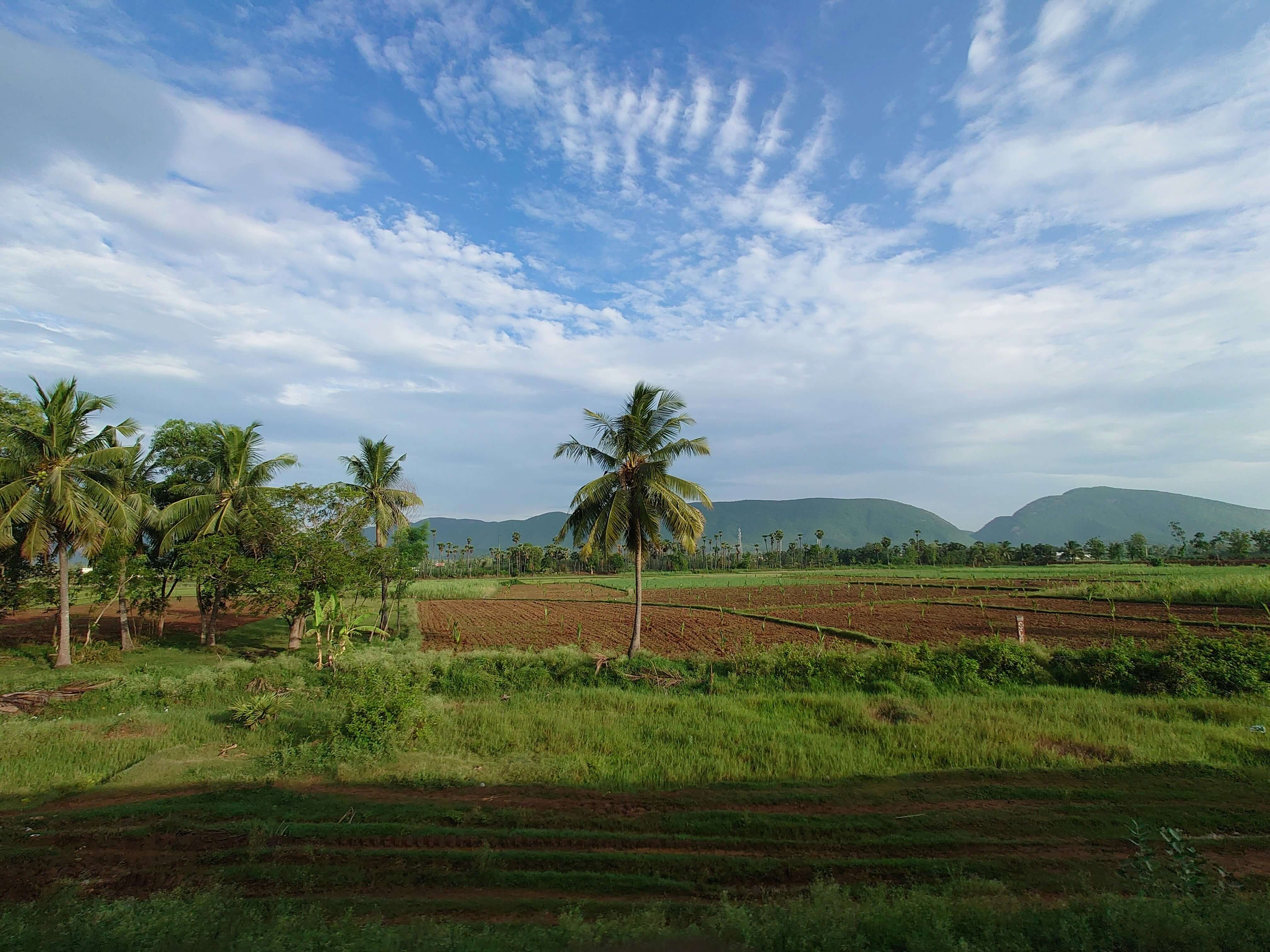
Sustainable food systems are essential for reducing the environmental footprint and ensuring food security globally, but they are limited by the availability of protein, whose production, processing and consumption involve multiple sustainability dimensions.
In this course, we cover the core issues related to proteins in the food system. We cover production, processing and consumption for achieving sustainable and climate-friendly food systems in the Global South using knowledge and cutting-edge research findings from several academic disciplines.
The course aims to provide students from various disciplines with knowledge about biological and social aspects of protein production, processing and consumption, as well as responses to multiple dimensions of the challenges for achieving sustainable and climate-friendly food systems in the Global South.
The course is structured in four modules:
1. Systems in which we use food systems lenses to explain protein cycles and the conditions, requirements and trade-offs between animal- and plant-based protein sources.
2. Proteins in which we elaborate on biological limitations of protein production given the local resource endowments, available technologies, and cultural norms.
3. Consumers in which we explore nutrition and health needs as the key drivers of protein consumption, review key trends in protein consumption, and reveal consumer preferences for animal, plant and alternative proteins.
4. Societies in which we examine cultural, economic and broader societal aspects of protein production, processing and consumption in relation to resource constraints, climate and institutional contexts.